
What is?
Avalanche (AVAX) is a blockchain platform and cryptocurrency. The Avalanche network is an open source, decentralized platform that allows for the creation and management of multiple subnets or “virtual chains”, each with its own consensus mechanism, token, and set of rules.
Avalanche is designed to provide high scalability, security, and interoperability, enabling the creation of decentralized financial applications (DeFi), non-fungible tokens (NFTs), and other decentralized applications.
The Avalanche network uses a consensus mechanism called Avalanche-X, which is a combination of Avalanche-BFT and Avalanche-XTP. This mechanism enables fast, secure, and efficient transactions.
Avalanche also has a native cryptocurrency called AVAX, which is used to pay for transaction fees and other network services. AVAX holders can also participate in the governance of the network by staking their coins and voting on proposed changes to the protocol.
Avalanche is designed to be a multi-chain platform, allowing for the creation of many different sub-networks, each with its own consensus mechanism, token and set of rules. This means that different types of transactions, smart contracts, and projects can be deployed on different subnets, making the Avalanche network suitable for a wide variety of use cases.
History of Avalanche (AVAX)
Avalanche (AVAX) was founded by Emin Gün Sirer, a computer science professor at Cornell University and a leading expert in the field of blockchain technology. The Avalanche network was launched in September 2020, following a successful initial coin offering (ICO) that raised over $42 million.
The Avalanche development team has been working on the project since 2018, and the main network was launched in September 2020. The project has received funding and support from a number of prominent venture capital firms and individuals in the blockchain space.
In 2020, Avalanche will launch the mainnet, which is gaining attention and adoption from a variety of sectors, particularly decentralized finance (DeFi) and non-fungible tokens (NFTs). Avalanche’s unique multi-chain architecture allows for the creation of multiple sub-networks, each with its own consensus mechanism, token and set of rules. This makes Avalanche a suitable platform for a wide range of use cases.
In 2021, Avalanche has gained more acceptance and attention in the crypto space, including being listed on some of the major cryptocurrency exchanges. The project has been working on several new features and developments, such as the integration of the Avalanche-Ethereum Bridge, which enables transactions between Avalanche and the Ethereum network.
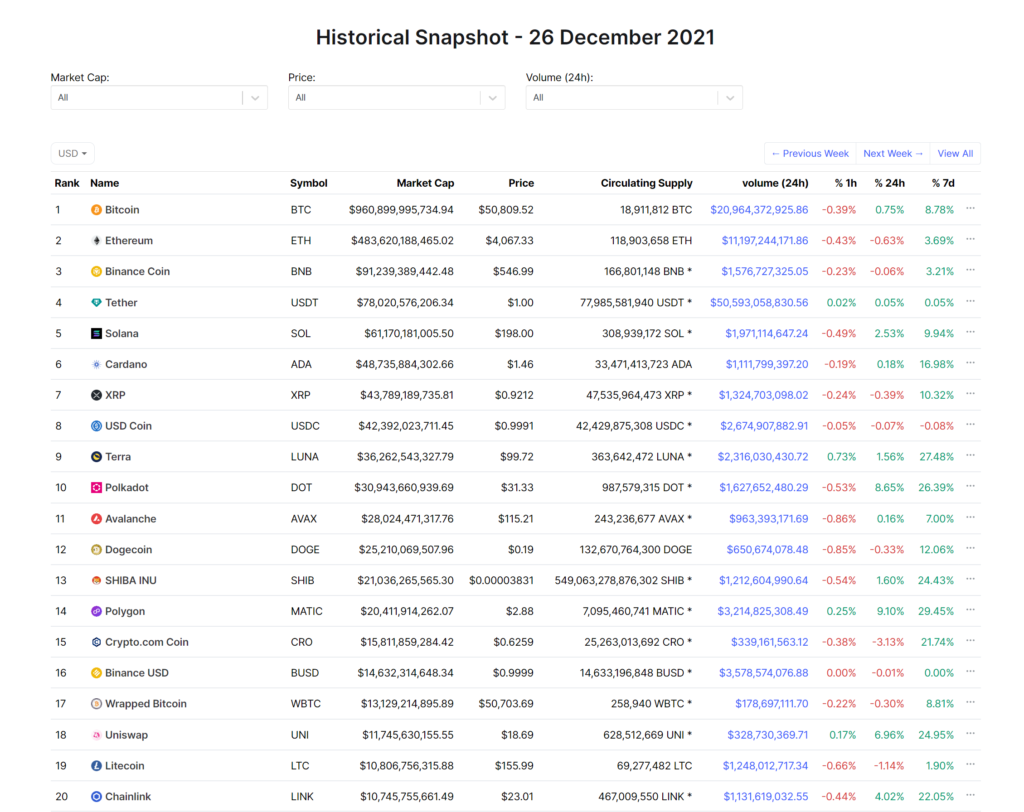
Overall, Avalanche (AVAX) is considered a promising blockchain platform with a strong team and active development, it is gaining more attention and adoption in the crypto space.
Is Avalanche (AVAX) secure?
Avalanche (AVAX) is considered a secure blockchain platform. The Avalanche network uses a consensus mechanism called Avalanche-X, which is a combination of Avalanche-BFT and Avalanche-XTP. This mechanism enables fast, secure and efficient transactions.
The Avalanche network is also designed to be highly distributed, with no single point of failure. This makes it resistant to various types of attacks, such as 51% attacks. In addition, Avalanche has a built-in governance mechanism that allows the community to propose and vote on changes to the protocol.
The Avalanche network also supports multiple subnets or “virtual chains” that can operate independently, meaning that if one subnet is compromised, the others remain secure. This allows for a high degree of flexibility and modularity in the network, which in turn increases the security of the platform.
Another security feature of Avalanche is its support for smart contracts and decentralized applications (dApps) built on its network. These dApps are secured by the underlying Avalanche network, allowing them to operate securely and efficiently.
In general, Avalanche was designed with security in mind and has several features that enhance its security, the most important of which are the multi-chain architecture and the Avalanche-X consensus mechanism. However, it’s important to keep in mind that, as with any blockchain platform, security is an ongoing process and requires constant monitoring and updates.
What wallet works with Avalanche?
There are several options for storing and managing Avalanche (AVAX) coins. One option is to use a software wallet. A software wallet is a program that runs on your computer or mobile device, and allows you to store, send and receive AVAX. Some examples of software wallets that support AVAX include:
- Ledger Live: a popular hardware wallet that allows you to manage multiple cryptocurrencies, including AVAX.
- Avalanche Wallet: an official wallet developed by the Avalanche team, it’s a light client that allows you to manage your AVAX and other assets on the Avalanche network.
- Trust Wallet: a popular mobile wallet that supports multiple cryptocurrencies, including AVAX.
Another option is to use a hardware wallet. A hardware wallet is a physical device that stores your private keys offline, making it more secure against hacking and other types of attacks. Some examples of hardware wallets that support AVAX are Ledger Nano S and Ledger Nano X.
It is also possible to store AVAX on a centralized exchange, but this is not recommended as it carries more risks, such as the exchange being hacked or experiencing technical problems.
It’s important to keep in mind that it’s always a good idea to keep your private keys safe and not share them with anyone, also it’s important to make sure you use the official wallets and avoid any phishing attempts.
Can you use MetaMask with Avalanche?
Yes, it is possible to use MetaMask with Avalanche, but with some limitations.
MetaMask is a browser extension and a popular wallet for Ethereum-based assets that allows users to interact with the Ethereum blockchain and other Ethereum-compatible networks such as Avalanche.
However, MetaMask only interacts with the Ethereum Virtual Machine (EVM)-compatible subnets of Avalanche, which means that it can only interact with smart contracts and dApps that are built on top of the EVM. This limits the functionality of MetaMask when used with Avalanche, and some features of the Avalanche network may not be available.
It’s also important to note that MetaMask only allows interaction with the Avalanche network, not the management of AVAX coins, meaning that you’ll need to transfer your AVAX to a MetaMask-compatible address in order to interact with Avalanche’s dApps or smart contracts.
In general, MetaMask is a useful tool for interacting with the Avalanche network, but it is not the only option available and may not be suitable for all use cases. It’s always a good idea to check the official documentation or the Avalanche website for more information on recommended wallets and how to interact with the Avalanche network.
Is AVAX on MetaMask C-Chain or X-Chain?
AVAX on MetaMask is located on the C-chain, also known as the Ethereum Virtual Machine (EVM)-compatible subnet of the Avalanche network.
The Avalanche network consists of several subnets, each with its own consensus mechanism and set of rules. C-Chain is one of these subnets, it’s EVM compatible, which means that smart contracts and dApps built on the Ethereum blockchain can be deployed on this subnet.
On the other hand, X-Chain is another subnet of Avalanche, it’s not EVM compatible, but it’s designed to be more efficient and scalable, it’s more suitable for projects that require high throughput and low latency.
AVAX is the native cryptocurrency of the Avalanche network, it can be used to pay transaction fees and other network services on both C-chain and X-chain. MetaMask, as an Ethereum-based wallet, can only interact with EVM-compatible networks, so it only supports the use of AVAX on the C-Chain subnet.
In summary, AVAX on MetaMask is on the C-Chain of the Avalanche network, as MetaMask is an Ethereum based wallet and only interacts with EVM compatible networks. If you want to use AVAX on the X-Chain subnet, you may need to use another wallet that supports Avalanche’s X-Chain.
WARNING!

The contents of this article are not to be construed as legal, business, investment, or tax advice.
This article is intended for use and should be used for informational purposes only.